Researchers from the University of Sydney and the Centenary Institute have discovered how a promising class of experimental antibiotics disrupts the bacterium that causes tuberculosis (TB), paving the way for urgently needed new treatments.
Globally, TB remains a major health crisis, claiming around 1.2 million lives each year and ranking among the world’s deadliest infectious diseases. The rise of drug-resistant strains, including in the Asia-Pacific region, has made the search for new treatment strategies increasingly urgent.
In a study published in Nature Communications, the team investigated how three naturally occurring antibiotic compounds – ecumicin, ilamycin and cyclomarin – act on a vital protein degradation machine inside Mycobacterium tuberculosis, the bacterium that causes TB.
The molecular machine, known as the ClpC1–ClpP1P2 complex, allows the bacterium to break down damaged or unneeded proteins, helping it to survive stress and maintain essential functions. Without it, the TB bacterium can’t survive, making it an attractive drug target.
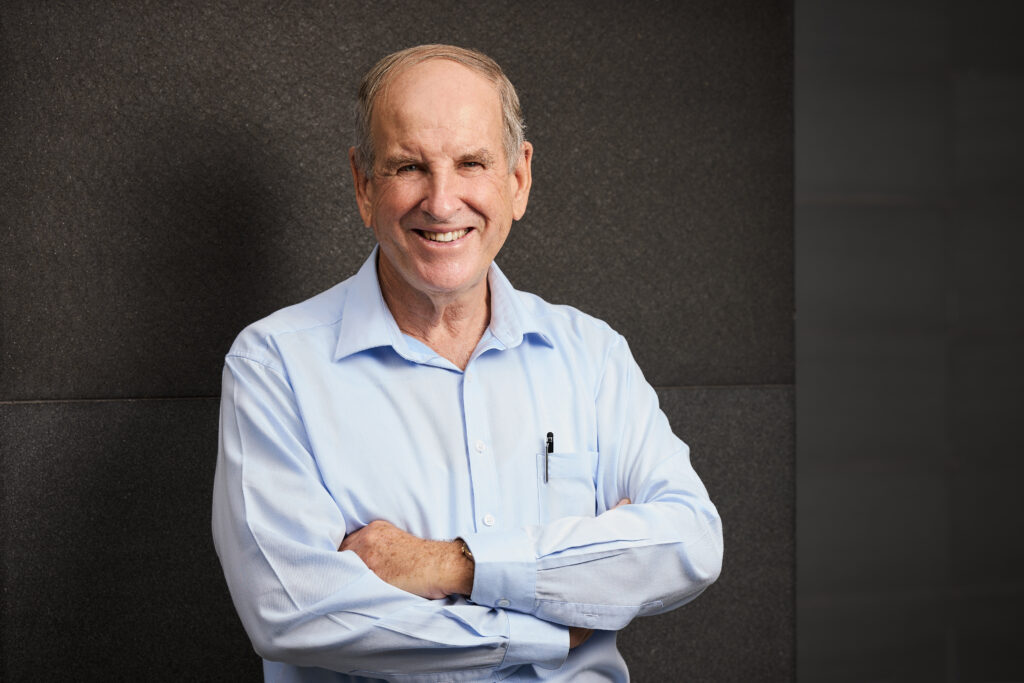
Co-senior author Professor Warwick Britton, Laboratory Head in the Centenary Institute’s Centre for Infection & Immunity, said the study uncovers surprising complexity in how the three antibiotic compounds affect this system.
“TB bacteria depend on this degradation system to stay alive, particularly under stressful conditions inside the human body,” Professor Britton said.
“Our findings show these compounds don’t simply shut the system down. Instead, each one interferes with it in a different way, triggering widespread imbalances across the whole bacterium. This disruption weakens its ability to function and survive.”
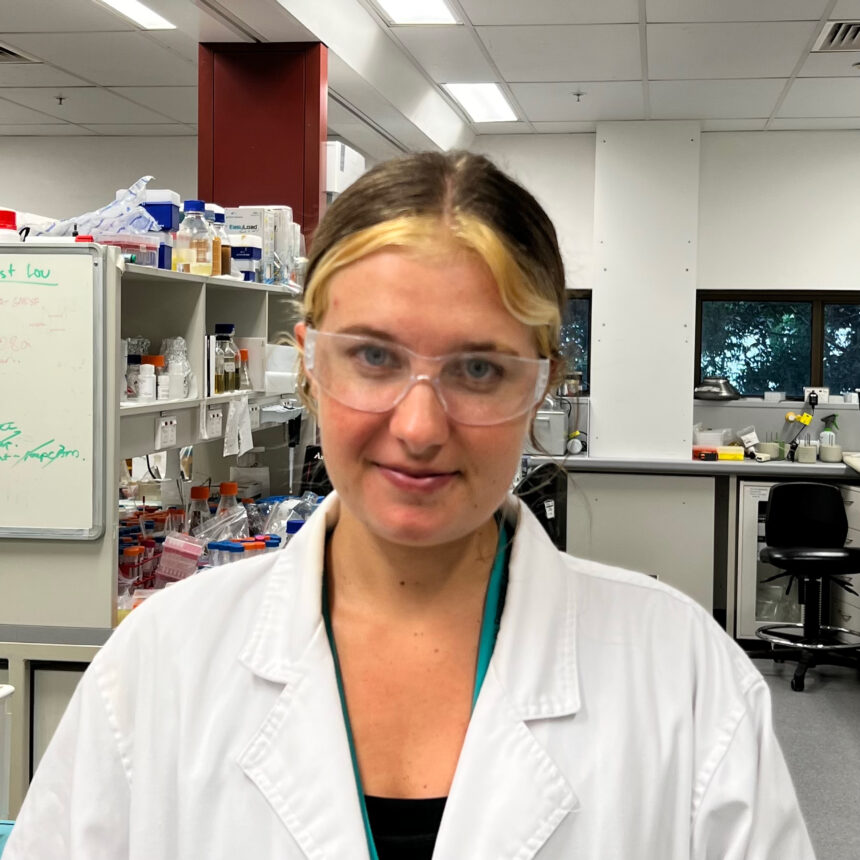
First author Isabel Barter, PhD candidate at the University of Sydney, who also conducted part of the study at the Centenary Institute, said they had measured changes across over 3000 proteins in Mycobacterium tuberculosis.
“By tracking changes across most of the bacterium’s protein network, we were able to see how disrupting a single essential complex can reshape the bacterium’s entire internal protein landscape,” she said.
“This deeper understanding gives us valuable insight into how we might refine these compounds and design more precise and effective anti-TB treatments.”
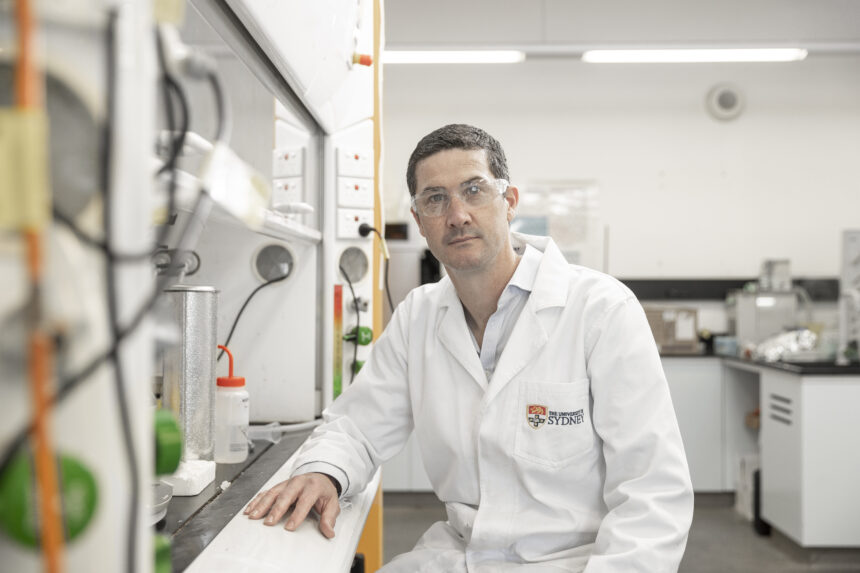
Co-senior author Professor Richard Payne from the University of Sydney said the ClpC1–ClpP1P2 complex represents a promising but still relatively underexplored drug target.
“Our study highlights the potential of directly targeting this protein degradation system,” Professor Payne said. “By understanding how different compounds interact with it and disrupt its normal function, we can more strategically design the next-generation of anti-TB drugs.”
The team believes the study marks an important step towards expanding the pipeline of potential new treatment options for TB, including drug-resistant forms.
[ENDS]
Publication:
ClpC1-targeting peptide natural products differentially dysregulate the proteome of Mycobacterium tuberculosis
https://www.nature.com/articles/s41467-026-68423-2
About us:
About the Centenary Institute
The Centenary Institute is a world-leading independent medical research institute, closely affiliated to the University of Sydney and the Royal Prince Alfred Hospital. Our research spans the critical areas of cancer, cardiovascular disease, rare diseases, inflammation, infectious diseases, healthy ageing and biomedical AI. Our strength lies in uncovering disease mechanisms and applying this knowledge to improve diagnostics and treatments for patients.
For more information about the Centenary Institute, visit centenary.org.au
Contact details:
Media and interview enquiries, please contact
Tony Crawshaw, Media and Communications Manager, Centenary Institute on 0402 770 403 or email: t.crawshaw@centenary.org.au
Marcus Strom | Science Media Adviser | The University of Sydney
marcus.strom@sydney.edu.au | +61 474 269 459